Follow us on Substack
When most people hear “zombie movie,” they already know the rules.
The infected lose themselves.
They become mindless.
They chase, bite, spread.
That’s the contract.
When I saw the opening scenes of The Sadness, I thought I was getting exactly that, and I was hooked. It felt familiar, like I knew the world I was stepping into. But as the story unfolded, I realized this wasn’t a zombie film at all. It was something else entirely, and honestly, something much worse. In a way I didn’t expect, these infected humans felt more disturbing than zombies, and that’s not something I ever thought I’d say.
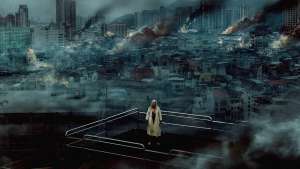
These Are Not Zombies
Let’s get this out of the way: no, the infected in The Sadness are not zombies.
I’ve watched a lot of zombie movies over the decades, honestly, probably most of them, and I know the patterns. I know how zombies behave, how they move, and what defines them. These aren’t it.
They don’t shamble.
They don’t operate on instinct alone.
And most importantly, they’re not empty.
They’re still there.
That’s the real horror.
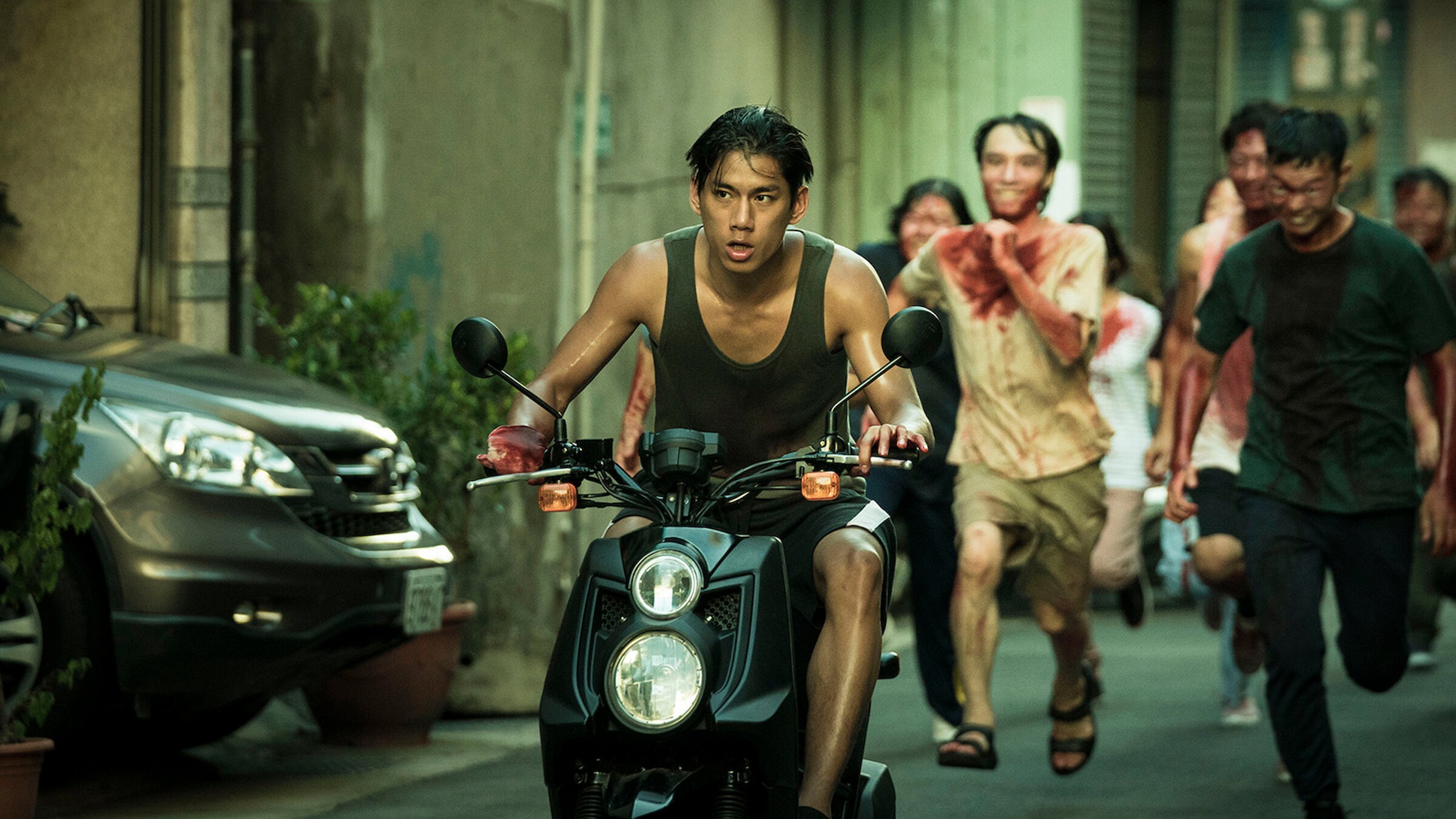
Unlike traditional zombie films where consciousness is gone, the infected in The Sadness retain awareness. They can speak. They can think. They recognize people.
But their emotional core, the part of the brain that regulates empathy, fear, and restraint—is gone.
Which brings us to the science.
The Science: Disturbingly Plausible
The film suggests a virus that alters the brain, something like stripping away the function of the amygdala.
I’ve seen countless explanations in films and TV for how outbreaks happen and what they turn people into. Most of the time, the science is shaky, but at least it follows a consistent internal logic. In that sense, I actually found the premise here more grounded than what many zombie stories try to get away with.
The amygdala plays a major role in fear response, emotional regulation, and aggression control. Remove that, and you don’t get a zombie. You get a human being with no brakes.
And that’s exactly what the movie shows: impulses without restraint, violence without hesitation, and desire without boundaries.
From a biological standpoint, that’s more believable than reanimated corpses.
But even then, it feels like the film takes that idea and pushes it further than the premise alone would naturally support.
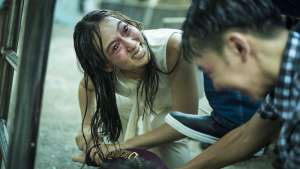
Would They Really Act Like That?
Even if the amygdala is compromised, would people realistically behave like sprinting predators, chasing strangers through the streets?
That’s where I started to question things.
I’ve seen slow zombies, fast zombies, and infected that technically aren’t even zombies but still follow the behavioral rules of the genre. The creatures in The Sadness, though, don’t really fit anywhere in that spectrum. I can’t even call them zombies.
Loss of inhibition doesn’t automatically create coordinated hunting behavior. What I would expect is chaos—random violence, impulsive outbursts, disorganized movement.
Instead, the infected often act with direction, almost like traditional fast zombies.
So while the cause feels grounded, the behavior still leans into genre territory. That’s where it started to feel less like a believable biological outcome and more like a stylistic choice.
The Element No Zombie Movie Touches
Here’s where The Sadness separates itself completely: sexual impulse.
Zombie films have always avoided this territory. Even in something like World War Z, where the infected are fast and aggressive, the violence is purely predatory, it never crosses into anything else.
This film does.
By removing inhibition, it unleashes everything, violence, cruelty, and sexual impulse in its rawest form.
And that’s where it stopped feeling like a zombie story to me and started feeling like something far darker.
The way this was marketed to me was as a zombie film, and I fell for it. Later, I regretted it.
This movie didn’t just disturb me while I was watching it, it stayed with me. I felt anxious the rest of the day. Honestly, I felt ill after finishing it.
A World You Couldn’t Survive
And here’s the part that really stuck with me.
If something like this actually happened in real life, I don’t think survival would even be realistic.
In a typical zombie scenario, there’s at least a framework for survival. Zombies are slower. They’re predictable. They don’t think.
But in The Sadness, these people can use weapons, speak and manipulate, and coordinate their actions.
They’re not just dangerous, they’re intelligent and completely unrestrained.
How do you outlive something like that?
Personally, I don’t think I would even try to rebuild or survive in a world like this. It feels unwinnable. There’s no system, no safety, and no long-term strategy that would hold. Just chaos driven by people who have lost every limit that once made society possible.
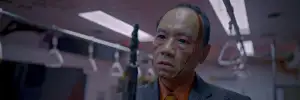
So What Is This Movie, Really?
This is where I think the film does something a little deceptive.
The way it was sold to me was as a zombie movie, but I don’t think that label fits. If anything, it feels like the creators used the zombie genre as a way to get people in the door, then delivered something that belongs in an entirely different category of horror.
I think The Sadness abuses the zombie genre a little, to be honest. It uses the familiar setup of infection, collapse, and panic, but what it actually delivers is something else entirely.
This isn’t zombie horror.
It’s closer to psycho horror, maybe. I’m not even fully sure what to call it. But it’s definitely not zombie horror.
Final Take
The Sadness wears the skin of a zombie movie, but underneath, it’s something else entirely.
It borrows the outbreak structure, the chaos, and the collapse, but replaces mindlessness with awareness and instinct with intention.
And that makes it hit differently.
Do I recommend this movie to zombie fans? Honestly, no.
If you’re here for classic zombie horror, this isn’t it. I don’t think zombie fans are looking for that level of sickness.
I’ll be blunt: I felt dirty after watching it. Not in a thoughtful, “that was deep” kind of way, but in a “I wish I hadn’t seen that” kind of way.
And maybe that was the goal.
But it’s not one I’d sign up for again.
If you’re looking for a more traditional, and honestly, more enjoyable, zombie experience, you might want to check out Letters From A Survivor.
It’s an ongoing story told through letters, following two survivors as they navigate a collapsing world.
It’s tense, immersive, and rooted in the kind of storytelling zombie fans actually love, without leaving you feeling drained or disturbed for the rest of the day.
Start with the first letter and see where it takes you.